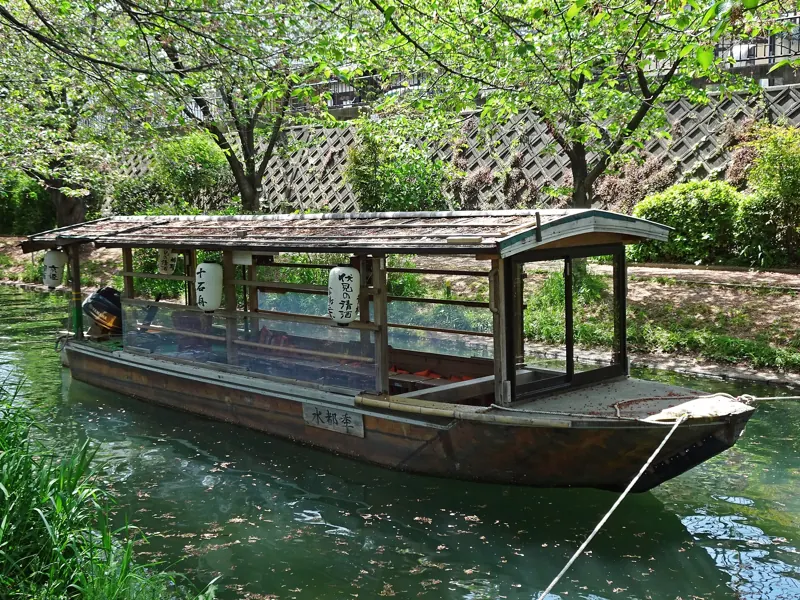
Fushimi sake district: a visitor’s guide
How to visit Fushimi, Kyoto’s sake brewing district: getting there, Gekkeikan Okura museum, Kizakura, canal boats, tastings and the best…
Everything you need to enjoy sake in Japan: what it is made from, what the words on the label mean, how to order it hot or cold, and a few bits of etiquette.
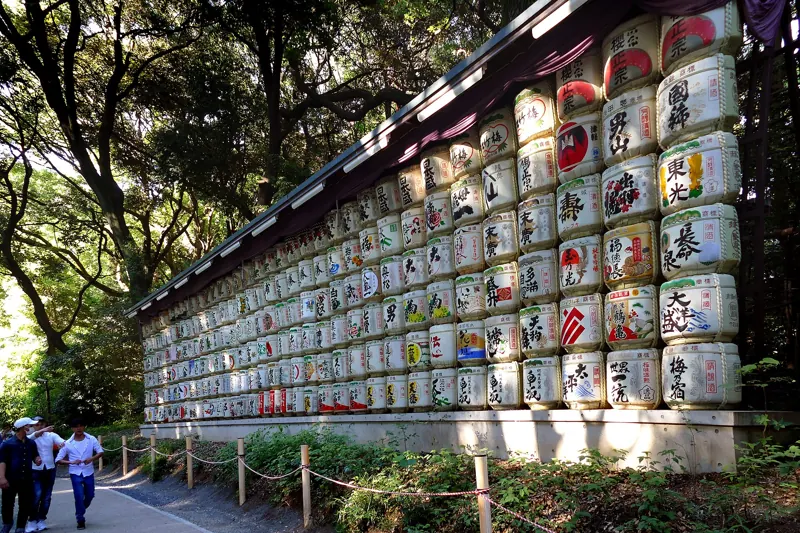
Sake (in Japan usually called nihonshu, “Japanese alcohol”) is brewed from four ingredients: rice, water, koji and yeast. Koji is a mould (Aspergillus oryzae) grown on steamed rice; it turns the rice starch into sugar, while the yeast turns that sugar into alcohol at the same time. This “multiple parallel fermentation” is what makes sake different from beer or wine, and it lets sake reach around 15 to 16 percent alcohol after dilution, a little stronger than most wine.
The head brewer is called the toji, and for centuries toji came from farming regions, working at breweries through the winter. Brewing still mostly takes place in the cold months.
Before brewing, rice is polished to remove the outer layer. The seimaibuai (polishing ratio) on a label tells you how much of each grain remains: 60% means 40% was polished away. More polishing usually gives a lighter, more fragrant sake.
Junmai means only rice, koji, water and yeast were used. Honjozo adds a small amount of distilled alcohol, which can make the sake lighter and more aromatic. Ginjo sake is made from rice polished to 60% or less and fermented slowly at low temperatures for a fruity, floral aroma; daiginjo is polished to 50% or less. Combine the words and you get junmai ginjo and junmai daiginjo. Futsushu is ordinary table sake outside these grades, and much of it is very good value.
Nama means unpasteurised: fresh and lively, and usually kept chilled. Genshu is undiluted, so it is stronger, often 17 to 20 percent. Nigori is cloudy sake with rice sediment left in. Koshu is aged sake, amber-coloured and nutty. Kimoto and yamahai are traditional methods that give a richer, more savoury sake. Taruzake is aged briefly in cedar casks. Shiboritate is freshly pressed sake from the new season, and hiyaoroshi is sake released in autumn after resting over the summer.
Labels may also show nihonshu-do (sake meter value; higher numbers usually taste drier) and acidity. These are rough guides, not rules.
Sake can be served chilled (reishu), at room temperature (hiya, which confusingly can also mean cool) or warmed (kan or atsukan for hot). Fragrant ginjo sakes are usually served chilled; many junmai, kimoto and yamahai sakes taste rounder warm. Don’t be afraid to ask: bars and brewers are happy to suggest a temperature.
Sake comes in small cups (ochoko or guinomi), poured from a flask (tokkuri), or in wine glasses at modern bars. In some izakaya a glass is set in a wooden box (masu) and filled until it overflows, a generous gesture. In tastings you may see a white cup with blue circles at the bottom (kiki-choko), used to judge clarity and colour.
When drinking with others, it is polite to pour for your companions and let them pour for you; hold your cup up slightly when someone pours. Say kanpai before the first sip. You don’t need to finish your cup, and topping up a half-full cup is normal. The legal drinking age in Japan is 20, and drink-driving rules are strict.
The best way to learn is to taste. A sake tasting or class lets you try the styles above side by side, and a brewery tour shows you how they are made.
Junmai means no added alcohol. Ginjo means the rice was polished to 60% or less and slowly fermented for aroma. A sake can be both: junmai ginjo.
Either. Fragrant premium sakes are usually served chilled; many fuller sakes are good warm. Ask what the bar recommends.
Most sake is around 15–16% alcohol. Undiluted genshu can be 17–20%.
Unpasteurised. Nama sake is fresh and lively and should be kept cold.
How to visit Fushimi, Kyoto’s sake brewing district: getting there, Gekkeikan Okura museum, Kizakura, canal boats, tastings and the best…
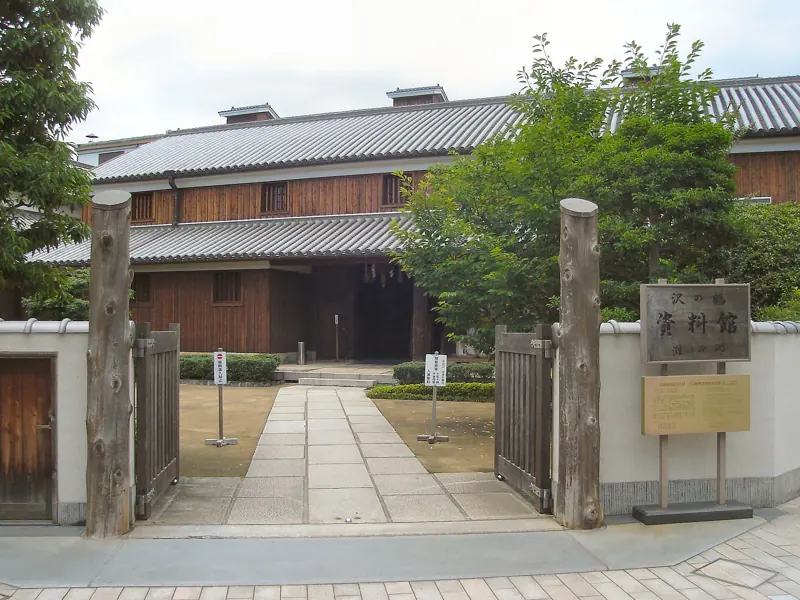
Visit Nada, Japan’s biggest sake district: the five brewing villages (Nada Gogo), free brewery museums, miyamizu water, how to get there…
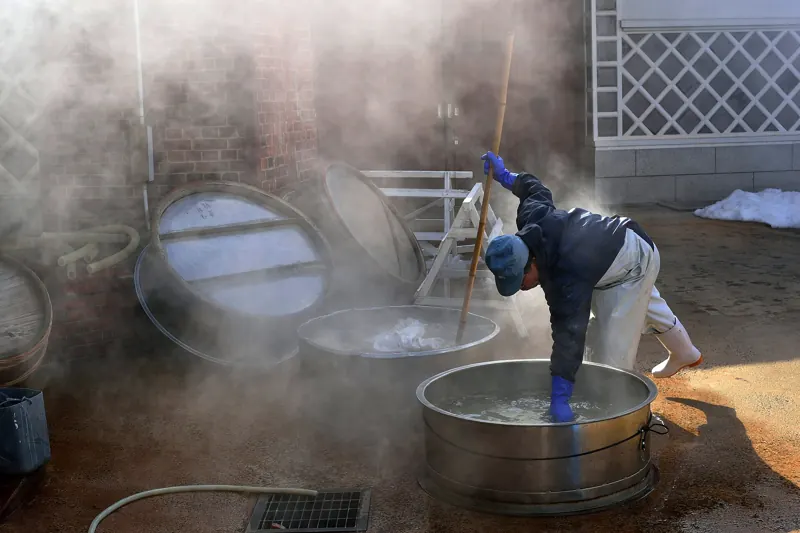
Walk Saijo’s sake brewery street in Higashihiroshima: seven breweries near the station, brick chimneys, tasting tips, the October sake…
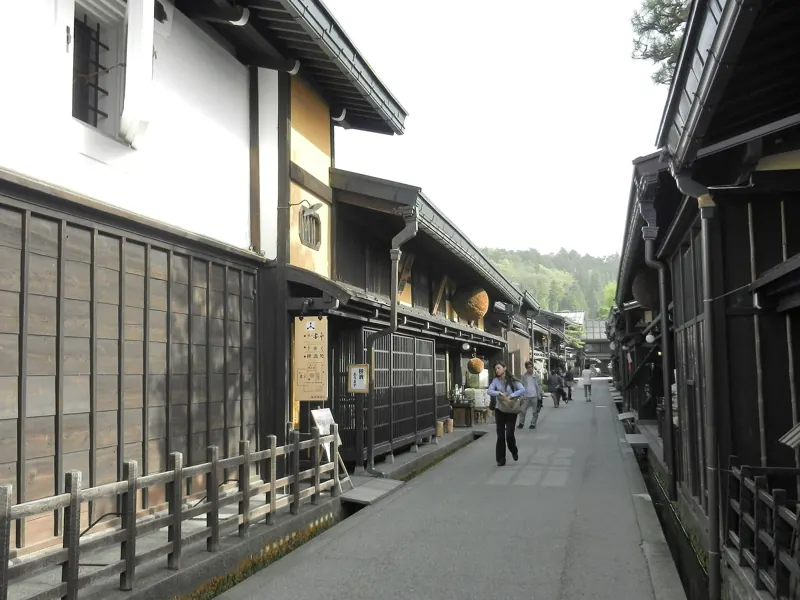
Taste sake at Takayama’s historic breweries in the Sanmachi old town: which breweries pour free samples, the sugidama cedar balls, winter…
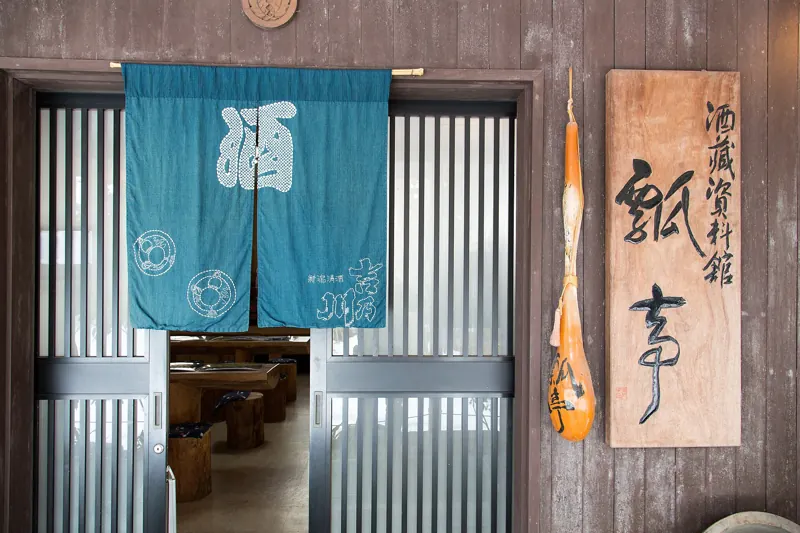
Sake breweries in Japan you can visit without a tour: free museums, walk-in tastings and what to expect, with sources for admission, hours…
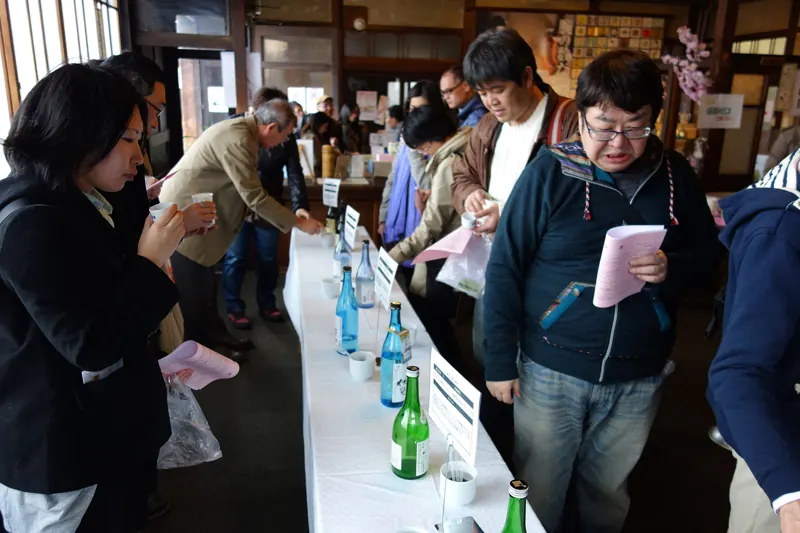
How to pick the right sake experience in Japan: brewery tours vs tastings vs food pairing, private vs group, timing, prices, booking sites…