Kyoto Fushimi: Sake Master’s Tour of Japanese Sake Breweries
Brewery tours
Two or three Fushimi breweries from Chushojima Station, including the Gekkeikan museum, Kizakura and Aburacho, with a Jukkokubune boat ride option.
Fushimi, in the south of Kyoto, is one of Japan’s great sake towns. Old brewery warehouses line its willow-fringed canal, and you can visit a museum, taste at the counter and take a guided tour all in one afternoon.
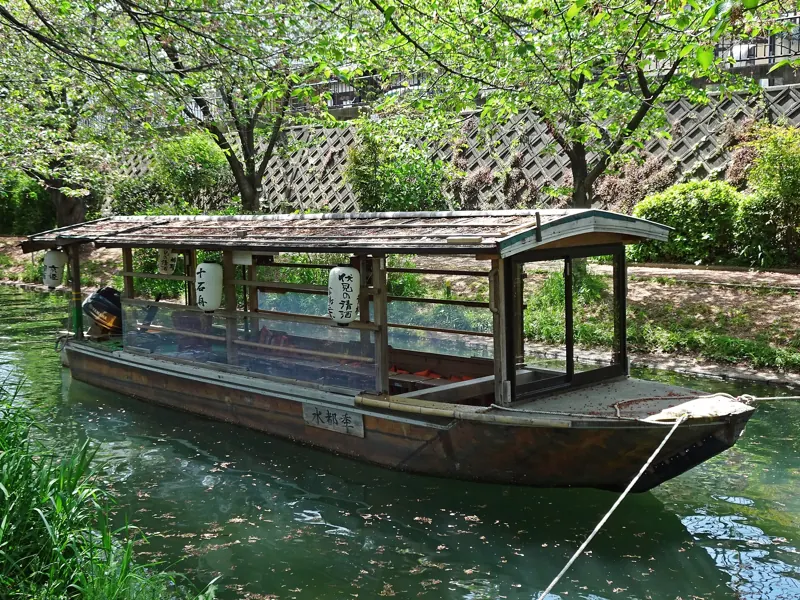
Fushimi’s sake story begins with water. The area sits on rich groundwater filtered through the hills east of Kyoto, and the old name for the district was written with characters meaning “hidden water”. The water is relatively soft, which gives a gentle, smooth sake that is often contrasted with the firmer sake of Nada near Kobe.
Fushimi was also a river port. Before railways, the Uji and Yodo rivers linked it to Osaka, and boats carried rice, sake and travellers between the two cities. Its breweries grew with that trade, and today about twenty brewers are still at work here, from Gekkeikan, founded in 1637 and one of Japan’s biggest sake companies, to small family brewers. Together with Nada, Fushimi is one of the two largest sake-producing districts in Japan.
Fushimi is easy to reach from central Kyoto. Take the Keihan Line to Chushojima or Fushimi-Momoyama station, or the Kintetsu Kyoto Line to Momoyama-Goryomae; from Kyoto Station the trip takes about 10 to 20 minutes. The brewery quarter is a 5 to 10 minute walk south-west of these stations. From Osaka, the Keihan Line runs straight to Chushojima in under an hour.
Fushimi is also next to Fushimi Inari Taisha, the shrine with thousands of orange torii gates. Many visitors combine an early morning at the shrine with a late-morning brewery visit and lunch in Fushimi; the two are a short train ride apart on the Keihan Line.
Gekkeikan Okura Sake Museum is the classic first stop. Set in a Meiji-era brewery building, it shows the tools and methods of traditional sake making and ends with a tasting. Admission is charged and includes a small souvenir; check the brewery page for current details.
Kizakura Kappa Country is a short walk away. It has a small free gallery, a shop, a sake and craft-beer restaurant, and a courtyard where you can see the brewery buildings from outside.
Between the two, the Horikawa canal is lined with willow trees, white-walled storehouses and the black wooden walls of old breweries. In the warmer months the Jikkokubune boats, flat-bottomed replicas of the old river boats, take visitors along the canal; the season and timetable change each year, so check locally. The historic Teradaya inn, linked to the samurai Sakamoto Ryoma, is nearby, and the Otesuji covered shopping arcade and Ryoma-dori street have sake shops and casual places to eat.
You can taste in three ways. Brewery museums and shops pour samples, sometimes free and sometimes for a small charge. A few dedicated tasting bars and restaurants in the district serve flights of sake from many Fushimi breweries side by side, which is the best way to compare local styles in one sitting. And guided tours, listed on our Kyoto sake tours page, take you inside working breweries and end with a tasting, often with food.
Fushimi sake tends to be soft and rounded, which makes it a good introduction for first-timers. Ask for a junmai or junmai ginjo from a local brewer and taste it next to something from elsewhere in Japan to notice the difference.
Fushimi is compact and easy to walk, so a self-guided visit works well: start at Gekkeikan Okura, walk the canal, visit Kizakura and finish with a tasting flight. Allow two to three hours.
Book a guided tour if you want to go inside breweries that do not open to the public, meet brewers, or understand what you are tasting in more depth. Kyoto has more bookable sake tours than anywhere else we track, from 90-minute tastings to private half-day tours with a certified sake guide. Several include a sake-pairing lunch.
Fushimi is pleasant all year. In late March and early April cherry blossoms line the canal; in autumn the weather is ideal for walking. Brewing season runs roughly from late autumn to early spring, when you are most likely to see (and smell) sake being made. Many breweries, shops and the museums close for a few days over New Year, and some close one weekday each week.
Japan’s legal drinking age is 20. If you plan to taste a lot, eat first and drink water between samples; Fushimi’s restaurants make this easy.
| Brewery | Visit | Admission | Tasting | Closed |
|---|---|---|---|---|
| Gekkeikan Okura Sake Museum月桂冠大倉記念館 | Walk-in | ¥600 (age 20+), ¥100 (13–19), free for 12 and under | Yes, tasting after the museum | Not stated |
| Kizakura Memorial Museum (Kappa Gallery)黄桜記念館 Kappa Gallery | Walk-in | Free | Not stated | Tuesdays (Wednesday if Tuesday is a holiday), 31 Dec and 1 Jan |
From each brewery’s official site or the local tourism office, checked 18 October 2026. Click a brewery for hours and the source link.
Prices are as shown on each booking page on 18 October 2026, in the currency shown; check the final price before you pay.
Two or three Fushimi breweries from Chushojima Station, including the Gekkeikan museum, Kizakura and Aburacho, with a Jukkokubune boat ride option.
Gekkeikan Okura Sake Museum, then 10+ sakes chosen by a certified sommelier with otsumami pairings in the operator’s own tasting room.
Gekkeikan, Kizakura and the Fushimi Sakagura Koji tasting hall, with about 18 small pours in total.
A 90-minute guided introduction to sake: a short lesson, then seven sakes.
A three-hour Fushimi walk built around the Gekkeikan Okura Sake Museum, with around 20 tastings.
A canal boat ride, a temple, a sake museum and a curated tasting in Fushimi.
Some “Book on” links go to GetYourGuide, Viator or Klook through our affiliate links: we may earn a commission if you book, at no extra cost to you. Links to operators’ own websites and Arigato Travel are not affiliate links. Commissions never affect which experiences we list. Details.
Take the Keihan Line to Chushojima or Fushimi-Momoyama, or the Kintetsu Line to Momoyama-Goryomae. From Kyoto Station it takes about 10–20 minutes.
Two to three hours is enough for a museum, a canal walk and a tasting. A guided tour with lunch takes three to four hours.
Yes. The shrine and the sake district are a few stops apart on the Keihan Line, and many visitors combine them in one day.
No, admission is charged, but it includes a tasting and a small souvenir. See our brewery page for the current fee and opening times.
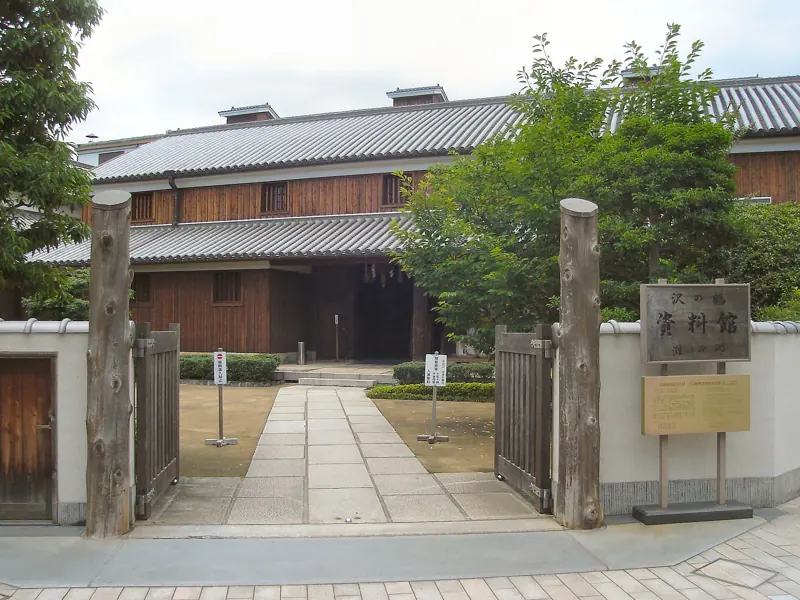
Visit Nada, Japan’s biggest sake district: the five brewing villages (Nada Gogo), free brewery museums, miyamizu water, how to get there…
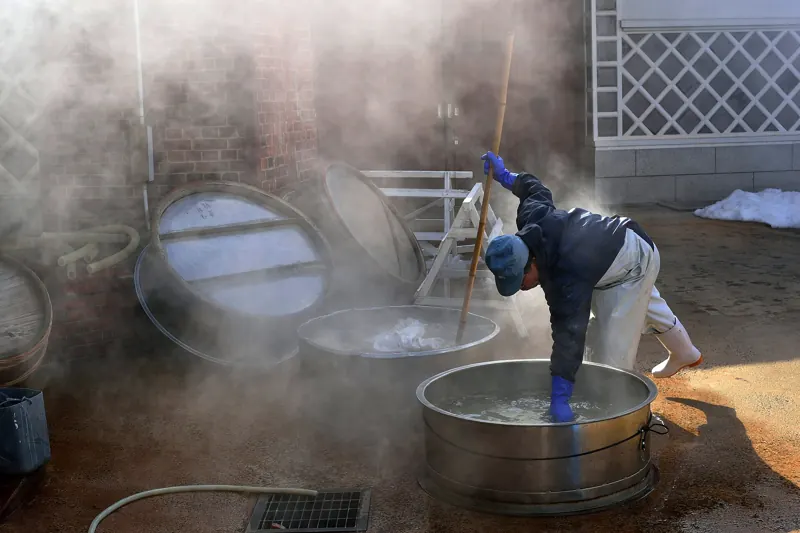
Walk Saijo’s sake brewery street in Higashihiroshima: seven breweries near the station, brick chimneys, tasting tips, the October sake…
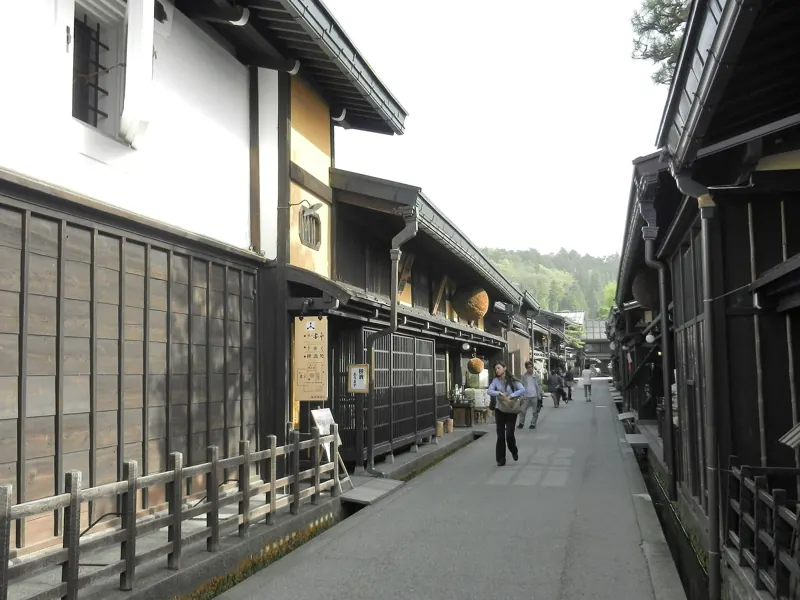
Taste sake at Takayama’s historic breweries in the Sanmachi old town: which breweries pour free samples, the sugidama cedar balls, winter…
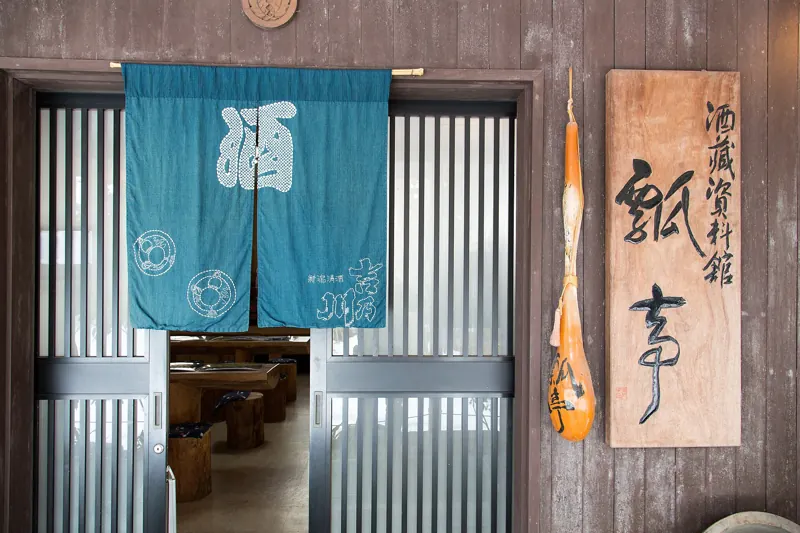
Sake breweries in Japan you can visit without a tour: free museums, walk-in tastings and what to expect, with sources for admission, hours…
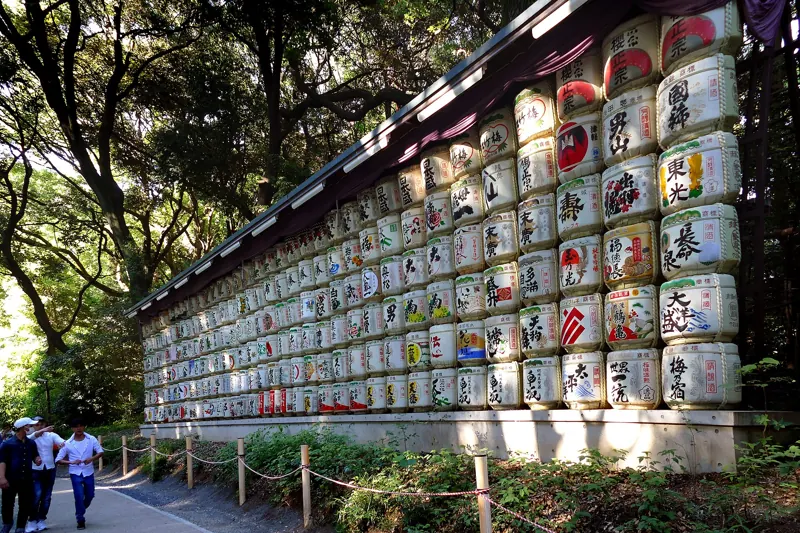
A traveller’s guide to Japanese sake: how it is made, junmai, ginjo and daiginjo explained, how to read a label, serving temperature and…
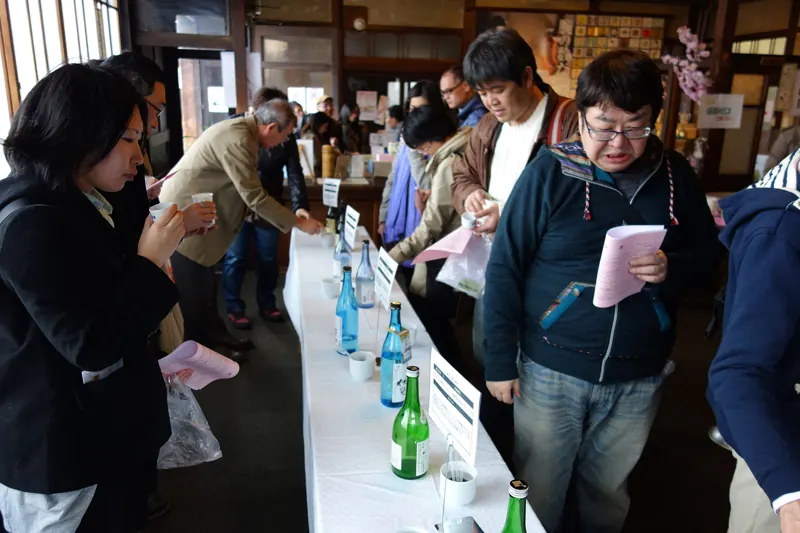
How to pick the right sake experience in Japan: brewery tours vs tastings vs food pairing, private vs group, timing, prices, booking sites…